Source Top Grade A Used Clothing for Retail, Export, and Recycling
Find 30 listings for top grade a used clothing from Chinese suppliers. Buyers can compare bale weights, sorting standards, and container MOQs for wholesale sourcing.
Key considerations
Products List


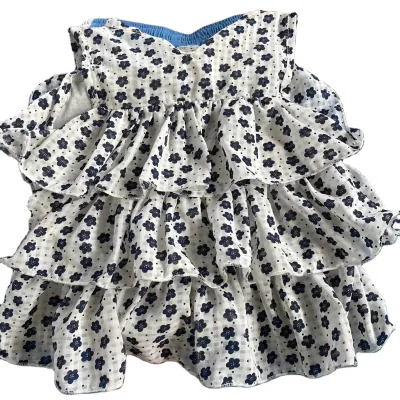


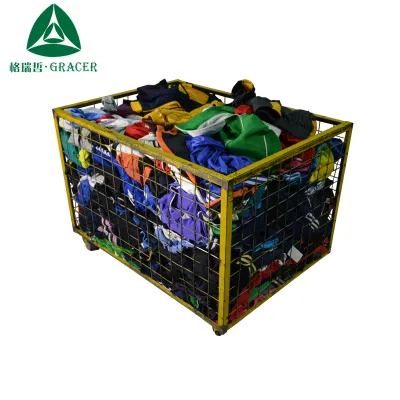
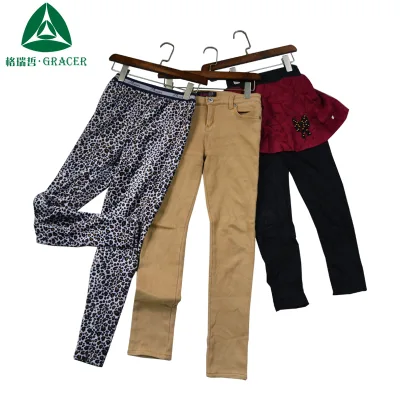
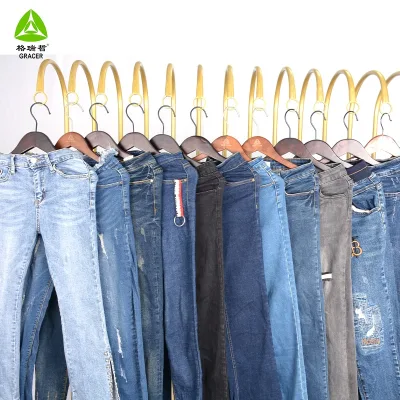
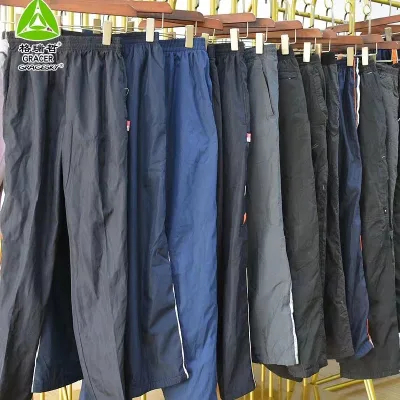
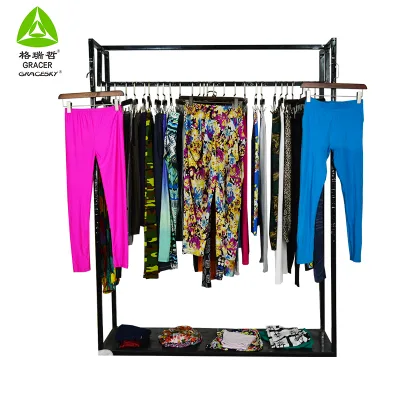
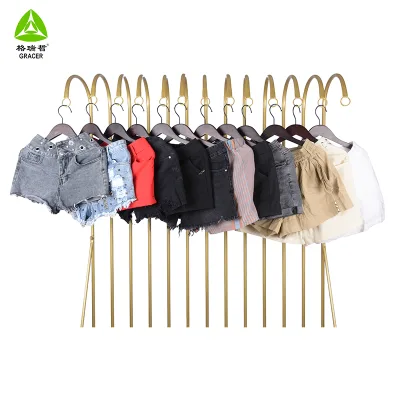


Comprehensive Sourcing Guide
Strategic Sourcing Guide for Top Grade A Used Clothing
The global market for second-hand apparel presents a unique procurement landscape where value is derived from sorting precision, logistical efficiency, and adherence to specific quality standards. For buyers targeting "top grade A used clothing," the primary objective is to secure inventory that meets rigorous cleanliness and condition criteria while navigating the complexities of international trade regulations. This guide synthesizes available product attributes and industry knowledge to provide a disciplined framework for sourcing decisions, ensuring that procurement strategies are grounded in verifiable facts rather than speculative claims.
Technical Specifications and Product Attributes
Understanding the physical and categorical specifications of the product is the foundational step in any sourcing strategy. The core product category is defined as "used clothes," "second-hand clothing," or "used clothing," often sold in bulk bales. The market data indicates a high degree of variability in product models, ranging from "mixed used clothes" to specific classifications like "bales of childrens used clothes sorted first grade."
A critical technical specification involves the packaging and weight distribution. Suppliers typically offer bales weighing between 45kg and 100kg per unit, with specific common weights including 45kg, 65kg, 75kg, 80kg, 90kg, and 100kg. The physical dimensions of these bales are standardized in many instances, with a common specification of 38cm x 30cm x 70cm, though single package sizes can vary, with some listings noting dimensions of 75cm x 55cm x 45cm. The gross weight of a single package is frequently cited around 45.000 kg, which is a vital metric for freight calculation and container loading optimization.
The material composition is inherently diverse, described as "mixed material" or "mix used clothing," reflecting the nature of the source. The sorting process is a key technical differentiator; high-quality listings emphasize "Strictly Sorted" inventory. This sorting extends to gender and age demographics, with products available for "Children," "Adults," and "Unisex" or "Mixed" categories. The seasonal availability is broad, covering "Spring/Autumn," "Summer," and "All Seasons," allowing for year-round procurement cycles. The style spectrum is equally extensive, encompassing "Europe and America," "Korean," "England," "Ethnic," "Leisure," "Fashion," and "Hip-Hop" aesthetics.
| Attribute Category | Observed Specifications | Procurement Implication |
|---|---|---|
| Packaging Weight | 45kg to 100kg per bale | Determines container load efficiency and handling requirements. |
| Bale Dimensions | 38x30x70 cm or 75x55x45 cm | Critical for calculating cubic volume and freight costs. |
| Sorting Level | Strictly Sorted, Top Grade A | Directly correlates to resale value and retail pricing potential. |
| Condition | Clean / 90%, High Quality | Indicates the baseline for hygiene and immediate retail readiness. |
| Color/Style | Mixed Color, Mixed Styles | Requires downstream sorting by buyers for targeted retail markets. |
Compliance, Certification, and Quality Standards
In the realm of used clothing, the term "Top Grade A" serves as a primary quality standard, often synonymous with "Top Clean" or "Top Grade a Used Clothes." This designation implies a rigorous selection process where items are screened for defects, stains, and excessive wear. The observed condition is consistently described as "Clean" or "High quality clean used clothes," with a specific cleanliness benchmark of 90% in some contexts.
Buyers must exercise caution regarding certifications. While background knowledge may reference standards such as OEKO-TEX or GOTS (Global Organic Textile Standard), these should not be assumed to apply to every lot of used clothing unless explicitly verified by the supplier. The provided data does not confirm that all listed products carry these specific certifications. Therefore, the procurement strategy must prioritize direct verification of the "Quality Standard" rather than relying on generic industry labels. The "Strictly Sorted" attribute suggests a manual or semi-automated quality control process, but the specific criteria for this sorting (e.g., absence of holes, functional zippers, fabric integrity) must be defined in the purchase agreement.
Furthermore, the origin of the goods is a compliance factor. The primary source is identified as "China First-Tier Cities" and specifically "Tianjin, China." Import regulations vary significantly by destination country, particularly regarding the entry of used textiles. Buyers must verify that the "Top Grade A" classification aligns with the specific sanitary and phytosanitary requirements of their target market, such as African countries, which are noted as a main market for this product type.
Cost Drivers and Pricing Dynamics
The pricing structure for used clothing is complex and influenced by multiple variables. The observed price range in the market is exceptionally broad, spanning from $0.33 to $1500 USD. This variance is not indicative of a single product type but rather reflects the difference between per-unit pricing for individual items versus bulk pricing for container loads. The "Top Grade A" classification typically commands a premium over lower grades, but the exact price point is contingent on the volume and specific mix of the inventory.
The Minimum Order Quantity (MOQ) is a significant cost driver. The standard entry point for serious procurement is often a full container load, with specifications citing "120FT Container" or "120FT/40FT Container." Some listings suggest a flexible MOQ range from 1 to 28,000 units, but for "Top Grade A" inventory, the economic model usually relies on volume. The payment terms observed include a structure of "TT/40% Deposit, 60% Before Loading," which is standard for international trade but requires careful cash flow management.
Other cost factors include the "Single package size" and "Single gross weight," which directly impact freight charges. The "Mixed Color" and "Mixed Styles" nature of the product means that the value per kilogram can fluctuate based on the ratio of high-demand brands or styles within the bale. Buyers should calculate the cost per kilogram rather than per item to ensure accurate margin projections, as the "mixed" nature of the inventory makes per-unit pricing difficult to standardize without detailed sorting.
Typical Applications and Market Segmentation
The versatility of "Top Grade A used clothing" allows for diverse applications across various market segments. The product attributes indicate suitability for "Children" and "Adults," with styles ranging from "Leisure" to "Fashion" and "Hip-Hop." This diversity supports multiple business models, including retail chains, thrift stores, and export markets in developing economies.
The "Main Market" is identified as "African country," suggesting that a significant portion of this inventory is destined for regions with high demand for affordable, branded, or fashionable apparel. However, the "Europe and America," "Korean," and "England" style tags indicate that the inventory also caters to markets where vintage or retro fashion is popular. The "All Seasons" availability further expands the application window, allowing buyers to stock inventory year-round without seasonal gaps.
For buyers targeting the "Children" segment, the "bales of childrens used clothes sorted first grade" offer a specific niche. These products are often sought after by parents and retailers looking for durable, affordable clothing for growing children. The "High quality" and "Clean" attributes are particularly critical in this segment, as hygiene is a primary concern for parents. The "Mixed Size" specification means that buyers must have the logistical capacity to sort and distribute sizes appropriately to meet local demand.
Supplier Evaluation and Verification Protocols
Evaluating suppliers in the used clothing sector requires a rigorous approach to due diligence. Since specific supplier names are not provided in the source data, buyers must rely on the verification of product attributes and trade terms. The "Contact Us: Get Better Price" attribute suggests that pricing is negotiable, and buyers should expect to engage in direct communication to finalize terms.
Key verification steps include confirming the "Sorting" process. Buyers should request detailed documentation or video evidence of the "Strictly Sorted" process to ensure that the "Top Grade A" claim is not merely marketing language. The "Brand Name: mix brand used clothes" indicates that the inventory is unbranded or mixed-brand, which is typical for bulk bales, but buyers should verify if any specific high-value brands are included, as this can significantly affect resale value.
The "Place of Origin: Tianjin, China" provides a geographical anchor for verification. Buyers should confirm that the supplier has the logistical capability to handle exports from this specific location. Additionally, the "Customization: Available" attribute offers an opportunity for buyers to request specific sorting criteria, such as separating items by gender or season, though this may incur additional costs. The acceptance of "Customer Logo" suggests that some suppliers may offer private labeling services, which can be valuable for building a distinct brand identity in the resale market.
Quality Control and Long-Term Procurement Considerations
Maintaining consistent quality is the most significant challenge in sourcing used clothing. The "Condition: Clean / 90%" and "Quality Standard: Top Grade a Used Clothes" are the benchmarks, but the "mixed" nature of the inventory introduces variability. To mitigate this, buyers should implement a robust quality control protocol that includes pre-shipment inspections. This may involve sampling bales from the container to verify the ratio of "Top Grade A" items versus lower-grade items that might be included in the mix.
Long-term procurement considerations involve building a reliable supply chain that can consistently deliver "Top Grade A" inventory. The "Payment: TT/40% Deposit, 60% Before Loading" terms require a stable financial relationship with the supplier. Buyers should also consider the "Lead time" and "MOQ" constraints, which can impact inventory planning. The "1*20FT Container" MOQ suggests that buyers need sufficient storage and distribution capacity to handle large volumes.
Furthermore, the "Feature: Fashion Trend, Breathable, high quality" attributes highlight the need for buyers to stay attuned to market trends. The "Hip-Hop" and "Korean" style tags indicate that fashion cycles are relevant, and buyers must ensure that the "Top Grade A" inventory aligns with current consumer preferences. The "Mixed Color" and "Mixed Styles" nature of the product means that buyers must have the expertise to curate the inventory for their specific target audience, potentially investing in sorting facilities to maximize the value of the "Top Grade A" items.
In conclusion, sourcing "Top Grade A used clothing" requires a meticulous approach that balances the benefits of bulk purchasing with the challenges of product variability. By focusing on verified specifications, rigorous quality control, and clear communication with suppliers, buyers can navigate this complex market effectively. The key to success lies in understanding the specific attributes of the product, such as weight, dimensions, and sorting levels, and aligning these with the specific needs of the target market.
FAQs
What is the condition of top grade a used clothing?
The condition is typically clean with a 90% cleanliness benchmark. High-quality items are strictly sorted to ensure they meet top grade standards before being packaged for export.
How are the bales of used clothing packaged?
Bales are packaged in weights ranging from 45kg to 100kg per unit. Common specific weights include 45kg, 65kg, 75kg, 80kg, 90kg, and 100kg per bale.
Which locations supply top grade a used clothing?
Suppliers are primarily located in China First-Tier Cities and specifically Tianjin. This origin is a key factor for verifying the source of the inventory.
Can buyers customize the sorting of used clothing?
Yes, customization is available for buyers who need specific sorting criteria. Suppliers accept customer logos and can adjust the mix based on specific buyer requirements.
What is the minimum order quantity for these products?
The standard minimum order quantity is one 20-foot container. Some listings also accept one 40-foot container as a valid minimum order unit.
How is the payment structured for used clothing orders?
Payment is typically structured as a 40% deposit followed by 60% before loading. This TT payment method is standard for securing the inventory.
Which styles are included in the mixed used clothing?
Styles include Europe and America, Korean, England, Ethnic, Leisure, Fashion, and Hip-Hop. The inventory is mixed color and mixed style to suit diverse markets.